Accessory dwelling units, commonly called ADUs, are becoming an increasingly attractive option for Maryland homeowners who want more usable living space without purchasing a separate property. An ADU can provide a private home for aging parents, adult children, long-term guests, or caregivers. It can also create potential rental opportunities and give a property more flexibility as a family’s needs change.
Maryland defines ADUs as smaller, independent dwelling units located on the same property as a primary single-family detached home. They can take several forms, including additions connected to the house and separate structures elsewhere on the property. Maryland has also taken steps to encourage ADU development, with local jurisdictions required to adopt laws authorizing ADUs on qualifying properties by October 1, 2026.
For homeowners considering an ADU, one of the biggest decisions is whether to build an attached or detached unit. Both can provide comfortable, independent living space, but the right choice depends on your property, budget, privacy needs, and plans for the future.
Key Takeaways
- Detached ADUs offer the most privacy and independence, making them a strong choice for adult children, aging parents, guests, or tenants who would benefit from having a truly separate residence.
- Attached ADUs keep occupants closer to the main household, which can be especially valuable for multigenerational living or aging-in-place arrangements.
- Detached ADUs generally require a larger investment because they involve constructing a separate structure with its own foundation, exterior, mechanical systems, utilities, and site work.
- Your property may determine which option is practical. Lot size, setbacks, existing structures, utilities, grading, access, and available yard space can all influence whether an attached or detached ADU can be built.
- Think beyond your immediate needs. A well-designed ADU can evolve over time from housing for a family member into guest accommodations, a home office, additional living space, or potentially a rental.
- There is no universally better option. The right choice depends on your priorities for privacy, proximity, budget, accessibility, property layout, and long-term flexibility.
What Is a Detached ADU?
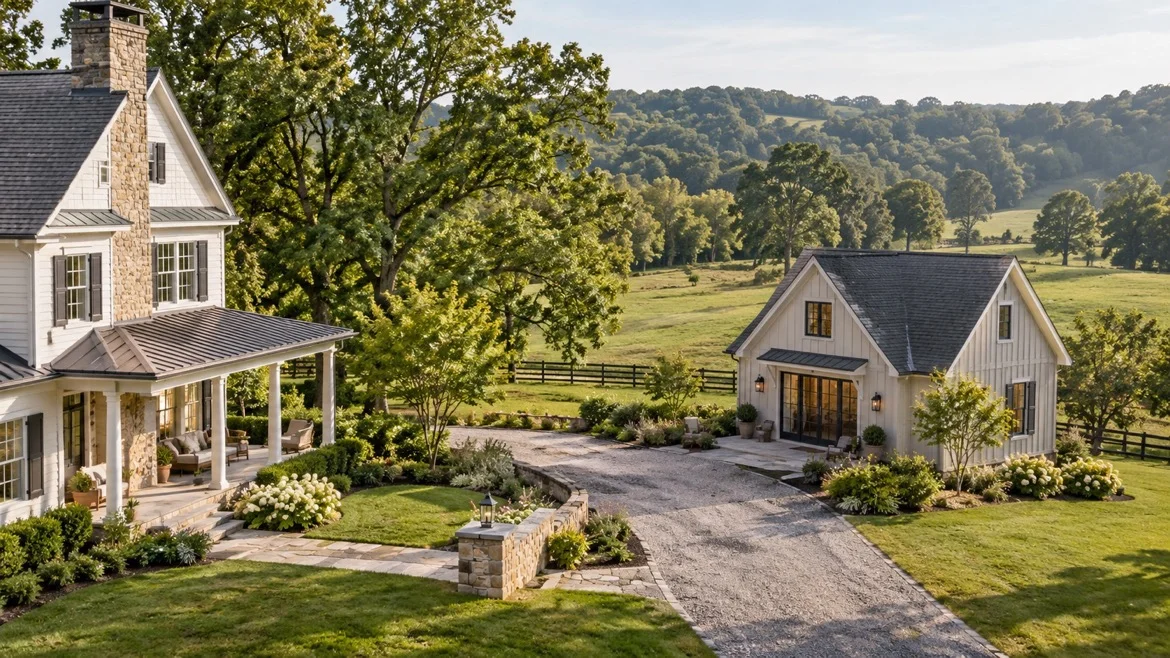
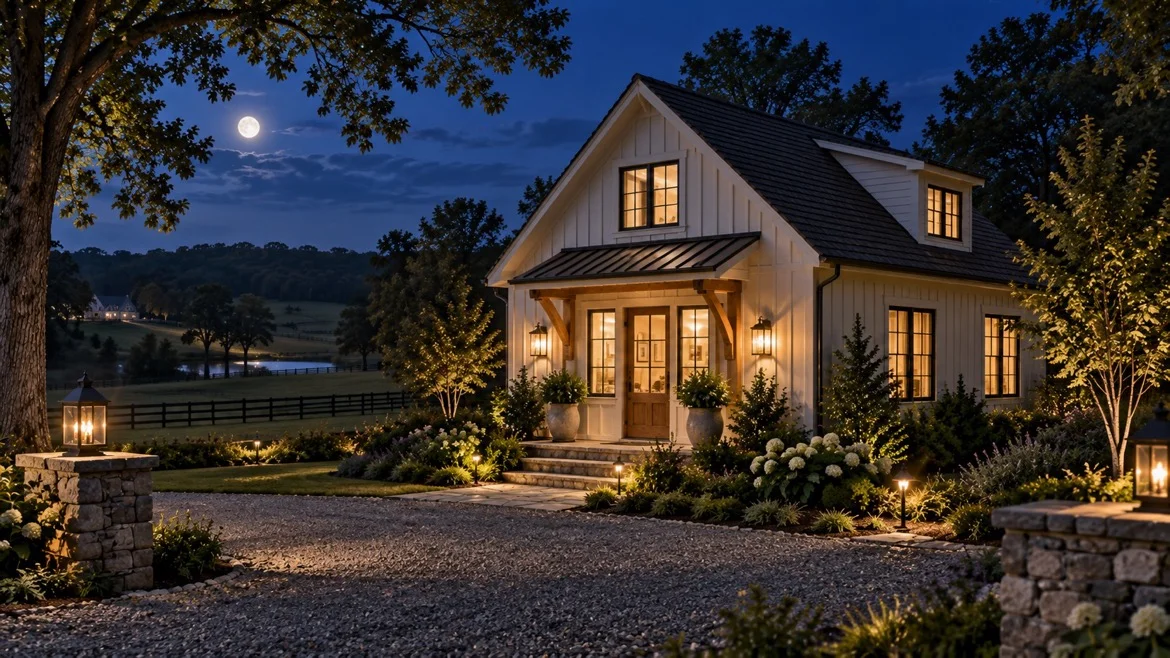
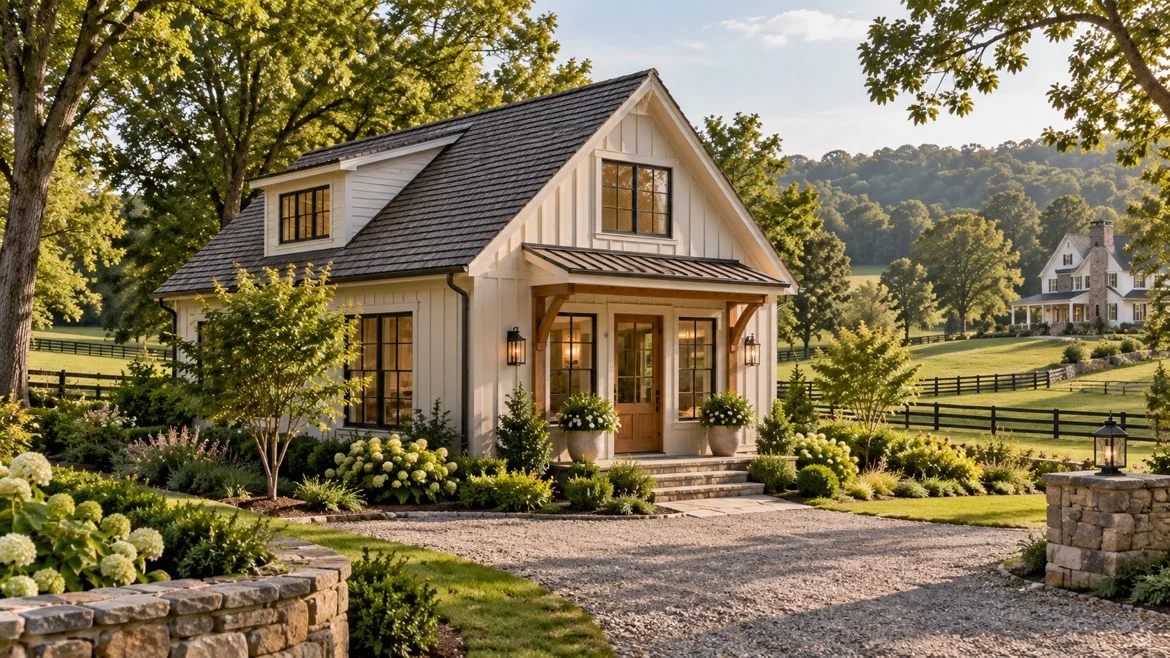
A detached ADU is a completely separate residential structure located on the same property as the primary home. It may look like a small cottage, guest house, or backyard home and typically contains its own kitchen, bathroom, sleeping area, living space, and entrance.
Because the structure stands on its own, a detached ADU can feel much more like an independent residence. This makes it particularly appealing for homeowners who want to accommodate aging parents or adult children while maintaining separation between households. It can also be attractive when an ADU is intended for long-term guests or potential rental use.
The tradeoff is that detached ADUs require new construction. Byrd Design & Build notes that detached ADUs typically require site preparation, foundation work, framing, roofing, utilities, and landscaping in addition to the interior construction.
What Is an Attached ADU?
An attached ADU is physically connected to the primary residence but designed to function as its own living space. It might be created as a side or rear addition, incorporated into an expansion of the existing house, or designed as another connected portion of the home with a separate entrance.
An attached ADU can provide independence without putting as much physical distance between the occupants and the main household. This arrangement can be especially useful for multigenerational living. An older parent, for example, can have a private kitchen, bathroom, bedroom, and living area while remaining just steps away from family members.
Attached ADUs can also make sense on properties where there simply is not enough usable backyard space for another freestanding building.
Detached ADUs Typically Offer More Privacy
Privacy is one of the strongest arguments for choosing a detached ADU. Since there are no shared walls with the main house, occupants can come and go with greater independence. Noise, schedules, visitors, and everyday activities are less likely to affect the primary household.
For Maryland homeowners planning an ADU for an adult child, long-term tenant, or independent family member, this separation may be important. A detached ADU can create the feeling of two distinct homes while allowing everyone to remain on the same property.
Privacy can also benefit the homeowners themselves. Rather than feeling as though another household has been added directly to the home, the ADU exists as a separate space.
Attached ADUs Keep Family Members Closer
Not every homeowner wants maximum separation. Sometimes proximity is the entire reason for building an ADU.
An attached ADU can be particularly useful when designing a home around aging in place. If an older parent needs occasional help with meals, medications, mobility, or household tasks, having their residence connected to the main home may make everyday assistance easier.
The design can still create meaningful privacy. Strategic entrance placement, sound insulation, thoughtful floor plans, and separate outdoor areas can help an attached ADU feel independent without sacrificing convenience.
At Byrd Design & Build, ADU planning can be approached around the way the homeowners and future occupants actually intend to use the space. That is important because an ADU designed for aging parents may require very different features than one intended for rental income or guests.
Detached ADUs Usually Require a Larger Investment
Budget is another major difference between detached and attached ADUs. Byrd Design & Build estimates that Maryland ADUs can range broadly from around $100,000 to $400,000 or more depending on the type, size, site conditions, utilities, finishes, and complexity. Detached units tend to fall toward the more expensive end because they essentially require the construction of another small home.
A detached structure needs its own foundation, exterior walls, roofing, windows, mechanical systems, and utility connections. Excavation, grading, drainage, and access conditions can further influence the final cost.
An attached ADU may be able to take advantage of its proximity to the existing house and utilities, although it is not automatically inexpensive. Structural changes to the main residence, complicated rooflines, plumbing relocation, premium finishes, and major additions can still make an attached ADU a substantial construction project.
Your Property May Help Make the Decision
Sometimes homeowners have a clear preference between attached and detached ADUs, but the property itself ultimately determines what is practical.
A larger suburban lot may provide enough space for a detached backyard ADU without sacrificing the outdoor areas homeowners use regularly. On a smaller property, however, setbacks, lot coverage, existing structures, utility locations, grading, and access can make a detached building more challenging.
An attached ADU may work better when there is room to expand the side or rear of the existing house but limited space for a separate structure.
This is why an early property evaluation is so valuable. Rather than choosing an ADU style based only on inspiration photos or square footage, homeowners need to understand what can realistically be designed and approved on their specific lot.
Consider How Much Yard Space You Want to Keep
A detached ADU changes the way a backyard functions. Depending on the size and placement of the structure, homeowners may lose lawn, patio, garden, recreational, or entertaining space.
That may be an easy tradeoff on a large property. On a smaller lot, however, homeowners should think carefully about how they currently use their outdoor space and how they expect to use it in the future.
An attached ADU may preserve more of the backyard by keeping the new living space integrated with the existing house. The final footprint still matters, but an intelligently designed addition may make more efficient use of the property.
Think About Long-Term Flexibility
An ADU should solve today’s needs while remaining useful years from now.
A detached ADU offers exceptional flexibility because it functions as a separate residence. A space originally built for aging parents could eventually become a guest house, home for an adult child, private office, or potentially a rental, subject to local rules.
An attached ADU can be equally valuable but in a different way. Because it is connected to the primary house, future homeowners may be able to integrate it more naturally into the rest of the residence. A former in-law suite might eventually become a larger primary suite, home office, entertainment area, or additional family living space.
Thinking 10 or 20 years ahead can help homeowners choose a layout that continues to add value even after its original purpose changes.
Maryland Zoning and Permitting Requirements Matter
Before deciding between an attached and detached ADU, homeowners need to understand the rules that apply to their property. Maryland is encouraging broader ADU availability, but local governments still play an important role in implementation and development standards.
Depending on the jurisdiction and project, factors such as setbacks, building height, lot coverage, utilities, entrances, parking, and building-code compliance may affect the design. Byrd Design & Build also emphasizes that ADU projects require careful attention to local zoning and permit requirements before construction begins.
Because regulations and property conditions vary, homeowners should confirm current requirements for their specific address rather than assuming an ADU that works on one Maryland property will automatically work on another.
Which ADU Is Better for Your Maryland Home?
A detached ADU may be the better choice if privacy and independence are the biggest priorities. It is particularly appealing for homeowners with enough property to comfortably accommodate another structure and those who want the ADU to feel like a true second residence.
An attached ADU may make more sense when maintaining proximity is important, particularly for multigenerational families. It can also be a strong solution when backyard space is limited or when homeowners want the new living area to remain closely integrated with the main house.
Neither option is universally better. The best ADU is the one that fits your property and provides the right balance of privacy, accessibility, cost, design, and long-term usefulness.
Plan Your Maryland ADU With Byrd Design & Build
Choosing between a detached and attached ADU is only the beginning. Successful ADU projects require thoughtful architectural design, realistic budgeting, zoning research, permitting, engineering, and experienced construction management.
Byrd Design & Build provides a full-service design-build approach, keeping design and construction under one team from the initial conversation through completion. The company serves homeowners throughout the Baltimore metro area and surrounding Maryland communities, helping clients create additions, custom homes, renovations, and flexible living spaces tailored to their properties.
Whether you envision a private detached cottage for aging parents or an attached suite that keeps family members close, Byrd Design & Build can help evaluate your property and develop an ADU that works for your home today and well into the future. Contact Byrd Design & Build to start planning your Maryland ADU.