As housing costs continue to rise and homeowners look for ways to maximize their property’s potential, Accessory Dwelling Units (ADUs) have become an increasingly popular solution throughout Maryland. Whether you’re planning to create housing for family members, generate rental income, or add flexible living space, an ADU can be a valuable investment.
Two of the most common ADU options are detached ADUs and garage conversions. Both provide additional living space, but they differ significantly in terms of cost, construction timelines, privacy, flexibility, and overall property impact.
If you’re considering adding an ADU to your Maryland home, understanding the advantages and disadvantages of each option can help you determine which solution best fits your needs, budget, and long-term goals.
What Is a Detached ADU?
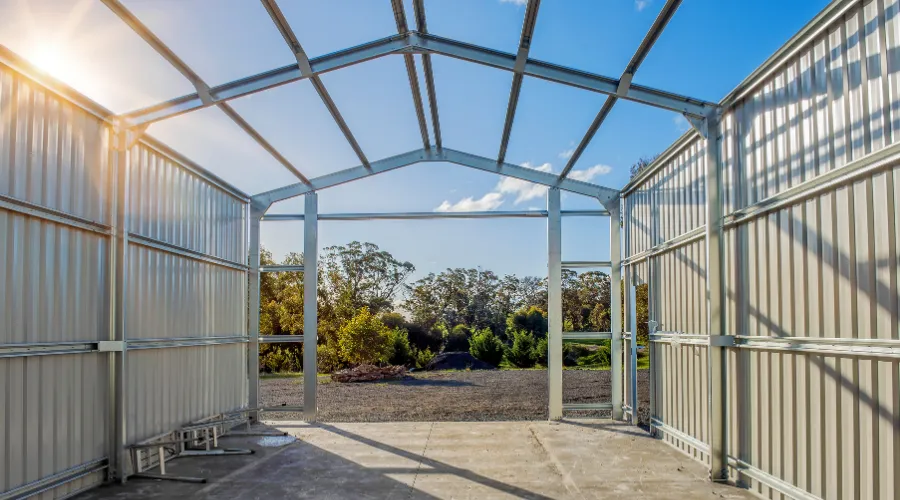
A detached ADU is a separate residential structure built on the same property as the primary home. Unlike attached additions or conversions, detached ADUs stand independently and function as their own living spaces.
Detached ADUs often resemble small homes and typically include a bedroom, bathroom, kitchen, living area, and separate entrance. They may be built in a backyard, side yard, or other approved location on the property.
Because they are completely separate from the main residence, detached ADUs offer the highest level of privacy and flexibility for both homeowners and occupants.
Many Maryland homeowners choose detached ADUs for aging parents, adult children, long-term guests, caregivers, or rental tenants.
What Is a Garage Conversion ADU?
A garage conversion ADU transforms an existing garage into a fully functional living space. Rather than constructing a new building, the existing structure is renovated and upgraded to meet residential building codes.
Garage conversions can be completed using attached garages or detached garages, depending on the property’s layout and local zoning regulations.
The finished space may include a kitchen, bathroom, living area, and sleeping quarters, creating an independent dwelling unit within an existing structure.
Because much of the building shell already exists, garage conversions are often more affordable and faster to complete than new detached ADU construction.
Comparing Construction Costs
Cost is often one of the biggest factors homeowners consider when choosing between a detached ADU and a garage conversion.
Detached ADUs generally require a larger investment because they involve building an entirely new structure. Costs may include site preparation, foundation work, framing, roofing, utilities, and landscaping in addition to interior finishes.
Garage conversions typically cost less because the foundation, walls, and roof are already in place. Instead of building from the ground up, contractors focus on upgrading the structure to meet residential standards.
While every project is unique, homeowners with an existing garage often find that a conversion provides a more budget-friendly entry point into ADU ownership.
However, cost should not be the only consideration. Long-term functionality and property goals are equally important.
Privacy Considerations
Privacy is one area where detached ADUs often have a significant advantage.
Because detached units are completely separate from the main residence, occupants enjoy their own space without sharing walls, driveways, or common living areas. This arrangement is especially beneficial for multigenerational families or rental situations where privacy is a priority.
A detached ADU can provide a true sense of independence while still keeping family members close by.
Garage conversions may offer privacy as well, particularly when converting a detached garage. However, attached garage conversions often remain physically connected to the primary home, which can reduce separation between occupants.
For homeowners seeking maximum independence for guests, tenants, or family members, a detached ADU is often the preferred option.
Available Living Space
The amount of living space available can vary significantly between these two ADU types.
Detached ADUs are typically designed specifically for residential use, allowing homeowners to customize the size and layout according to their needs and local regulations. This flexibility often results in larger floor plans and more functional living environments.
Garage conversions are limited by the dimensions of the existing structure. While many garages can be transformed into comfortable living spaces, homeowners may encounter restrictions related to square footage, ceiling height, storage needs, and layout options.
If maximizing usable living space is a primary goal, a detached ADU often provides greater flexibility.
Construction Timeline Differences
The construction timeline can also influence the decision between a detached ADU and a garage conversion.
Detached ADUs generally require more time because they involve new construction. The process includes site preparation, foundation work, framing, utility installation, and full structural construction.
Many detached ADUs take several months to complete after permits are approved.
Garage conversions are often completed more quickly because the structure already exists. Contractors can focus on insulation, plumbing, electrical systems, HVAC installation, interior finishes, and code compliance rather than constructing an entirely new building.
For homeowners seeking a faster project timeline, a garage conversion may be the more attractive option.
Impact on Your Property
Both ADU types can increase property value, but they affect the property differently.
Detached ADUs create an entirely new structure on the lot, which may reduce available yard space while adding substantial functional square footage. In many cases, they become a highly desirable feature for future buyers looking for flexible housing options.
Garage conversions preserve outdoor space but eliminate parking and storage areas that the garage previously provided. Homeowners should carefully consider whether they have adequate parking available elsewhere on the property before moving forward with a conversion.
Understanding how each option affects daily life and future resale potential is an important part of the decision-making process.
Rental Income Potential
Many Maryland homeowners build ADUs with rental income in mind.
Detached ADUs often command higher rental rates because they function more like standalone homes. Tenants typically appreciate the increased privacy, dedicated outdoor areas, and independent living environment.
Garage conversions can also generate rental income, particularly in desirable locations. However, the rental value may be somewhat lower depending on size, privacy, and amenities.
If maximizing long-term rental revenue is a primary objective, a detached ADU may provide stronger earning potential.
Which Option Is Best for Multigenerational Living?
Both detached ADUs and garage conversions work well for multigenerational households, but each offers unique benefits.
Detached ADUs provide family members with a greater sense of independence while keeping them close enough for daily support and interaction. This arrangement is especially popular for aging parents who want privacy while remaining near loved ones.
Garage conversions offer convenience and proximity, making them ideal for situations where family members may require more frequent assistance or interaction.
The right choice depends on the specific needs of the occupants and the desired balance between independence and accessibility.
Zoning and Permit Requirements
Regardless of which ADU option you choose, zoning regulations and permits will play an important role in the project.
Maryland jurisdictions have specific requirements regarding setbacks, lot coverage, utility connections, parking, occupancy, and building codes. These regulations can affect whether a detached ADU, garage conversion, or both are permitted on a particular property.
Before making any decisions, homeowners should work with experienced professionals who understand local regulations and can determine which option is feasible for their property.
Proper planning early in the process can help avoid delays, redesigns, and unexpected expenses. Click here to learn more about Maryland and ADU requirements.
How to Decide Between a Detached ADU and a Garage Conversion
Choosing between a detached ADU and a garage conversion ultimately comes down to your goals, budget, property layout, and lifestyle needs.
A detached ADU may be the best choice if you want maximum privacy, greater design flexibility, stronger rental potential, and a completely independent living space. Although the upfront investment is often higher, many homeowners view the added functionality and long-term value as worthwhile.
A garage conversion may be ideal if you want a more cost-effective solution, have an underutilized garage, and are looking for a faster construction timeline. By repurposing an existing structure, homeowners can often create comfortable living space while minimizing construction costs.
Build the Right ADU for Your Maryland Home
Whether you’re considering a detached ADU or a garage conversion, the most successful projects begin with careful planning and expert guidance. Both options offer valuable opportunities to increase living space, accommodate family members, and enhance property value.
At Byrd Design & Build, we help Maryland homeowners evaluate their property, understand local zoning requirements, and design custom ADU solutions that fit their needs and budget. From initial planning and permitting to construction and final completion, our team is here to guide you every step of the way.
Contact Byrd Design & Build today to schedule a consultation and discover which ADU option is the right fit for your Maryland home.