Accessory Dwelling Units (ADUs) have become increasingly popular throughout Maryland as homeowners look for ways to create additional living space, generate rental income, or accommodate aging family members. Whether you are planning a detached backyard cottage, garage conversion, basement apartment, or in-law suite, one of the first questions homeowners ask is: How long does it take to build an ADU in Maryland?
The answer depends on several factors, including the size and complexity of the project, local permitting requirements, site conditions, and the construction method being used. While every project is unique, most ADU projects in Maryland take anywhere from six months to over a year from initial planning to final completion.
Understanding the various stages of the process can help homeowners set realistic expectations and better prepare for their investment.
Understanding the Typical ADU Timeline
Many homeowners assume construction begins shortly after they decide to build an ADU. In reality, there are several important phases that occur before any physical construction starts.
An ADU project typically includes planning, design, permitting, site preparation, construction, inspections, and final approvals. Each phase requires coordination among homeowners, designers, contractors, local jurisdictions, and utility providers.
The overall timeline often depends more on planning and permitting than actual construction. While building the structure itself may take only a few months, approvals and design work can significantly extend the total project duration.
Planning and Feasibility Phase
The first step in building an ADU is determining whether your property can legally accommodate one. During this phase, homeowners work with a design-build firm to evaluate zoning regulations, lot size requirements, setbacks, utility connections, and other site-specific considerations.
This stage also includes discussing goals for the project, establishing a budget, and determining the type of ADU that best fits the property.
For most Maryland homeowners, the planning and feasibility phase takes approximately two to four weeks. Properties with unusual site conditions or zoning challenges may require additional time.
Investing time in proper planning helps avoid costly surprises later in the process and creates a stronger foundation for a successful project.
Design and Architectural Development
Once the project is deemed feasible, the design phase begins. During this stage, architects and designers create floor plans, elevations, site plans, and construction documents.
The design process allows homeowners to customize the layout, finishes, and functionality of their ADU. Whether the goal is housing for family members, a guest suite, or a rental property, thoughtful design plays a major role in the long-term success of the project.
Depending on the complexity of the ADU, design development typically takes four to eight weeks. Larger detached units or highly customized projects may require additional revisions and planning.
Homeowners who make decisions quickly and provide prompt feedback often help keep the design schedule moving efficiently.
Permitting and Approval Process
Permitting is often one of the most unpredictable parts of the ADU timeline. Maryland counties and municipalities each have their own requirements for zoning approvals, building permits, and inspections.
Permit reviews ensure that the proposed ADU complies with local regulations, building codes, safety standards, and utility requirements. Depending on the jurisdiction, multiple departments may review plans before permits are issued.
In many Maryland jurisdictions, the permitting process takes between four and twelve weeks. However, some projects may move faster while others encounter delays due to plan revisions, zoning reviews, or agency backlogs.
Working with an experienced design-build contractor can help streamline permit submissions and reduce the likelihood of delays caused by incomplete documentation.
Site Preparation and Utility Work
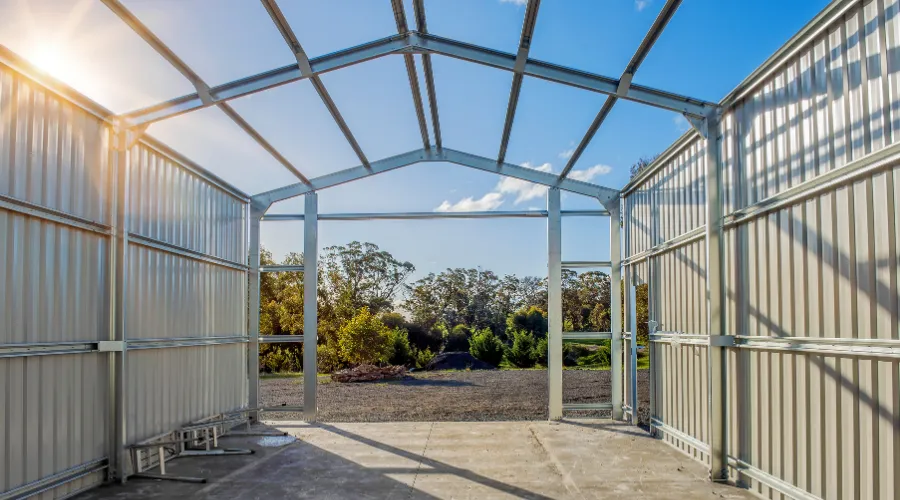
After permits are approved, construction crews begin preparing the property for building. Site preparation may include clearing vegetation, grading, excavation, utility installation, foundation work, and other necessary improvements.
The amount of preparation required depends largely on the type of ADU being built. A basement conversion may require minimal site work, while a detached backyard cottage often requires extensive excavation and utility connections.
This phase typically takes one to four weeks depending on weather conditions, utility requirements, and site accessibility.
Proper site preparation is critical because it creates the foundation for all future construction activities.
Construction of the ADU Structure
The construction phase is where homeowners begin to see their ADU take shape. Framing, roofing, windows, exterior finishes, plumbing, electrical systems, HVAC installation, insulation, drywall, flooring, cabinetry, and final finishes are completed during this stage.
For a detached ADU, construction generally takes three to six months. Smaller projects may be completed more quickly, while larger custom structures often require additional time.
Several factors can affect the construction schedule, including material availability, labor availability, weather conditions, change orders, and inspections.
Working with a design-build team helps improve communication between designers and builders, often resulting in a smoother and more efficient construction process.
ADU Conversion Projects Are Often Faster
Not all ADUs require new construction. Many Maryland homeowners choose to convert existing spaces such as basements, garages, or unused portions of their homes into accessory dwelling units.
Because the primary structure already exists, conversion projects often require less site work and shorter construction schedules.
A basement ADU conversion may take as little as two to four months after permits are obtained. Garage conversions often follow similar timelines depending on the amount of structural work required.
Although conversions are typically faster than detached ADUs, they still require permits, inspections, and code compliance to ensure the finished space is safe and legal.
Factors That Can Affect Your Timeline
No two ADU projects are exactly alike. Several variables can influence how long the process takes from start to finish.
Property characteristics often play a significant role. Challenging site conditions, steep slopes, drainage concerns, or limited access can increase construction time.
Permit review timelines also vary between jurisdictions. Some Maryland counties process applications more quickly than others, while busy construction seasons can create longer review periods.
Homeowner decisions can also impact the schedule. Changes to floor plans, finish selections, or project scope after construction begins frequently result in delays.
Weather is another common factor. Heavy rain, snow, or extreme temperatures can temporarily pause certain aspects of construction, particularly site work and exterior construction activities.
How Long Does a Detached ADU Take?
Detached ADUs typically have the longest timelines because they require full construction from the ground up.
For most Maryland homeowners, a detached ADU takes approximately eight to twelve months from the initial planning stage to final occupancy.
A typical schedule may look like this:
Planning and feasibility: 2–4 weeks
Design development: 4–8 weeks
Permitting: 4–12 weeks
Site preparation: 1–4 weeks
Construction: 3–6 months
Inspections and final approvals: 1–2 weeks
Projects with straightforward permitting and favorable site conditions may move faster, while custom luxury ADUs may require additional time.
Benefits of Working With a Design-Build Firm
One of the most effective ways to keep an ADU project on schedule is to work with a design-build company.
Traditional construction projects often require homeowners to coordinate multiple professionals, including architects, engineers, permit expeditors, and contractors. This fragmented approach can create communication challenges and scheduling conflicts.
A design-build firm manages the entire process under one roof. Designers, project managers, and construction teams collaborate from the beginning, reducing delays and improving project coordination.
At Byrd Design & Build, our team helps Maryland homeowners navigate every stage of the ADU process, from initial feasibility studies and design development to permitting, construction, and final inspections.
Start Your Maryland ADU Project Today
Building an ADU is an exciting investment that can add flexibility, functionality, and long-term value to your property. While the process takes time, proper planning and professional guidance can help ensure a smooth experience from start to finish.
Although every project is unique, most ADUs in Maryland require between six and twelve months to complete when accounting for planning, permitting, and construction. Understanding the timeline in advance allows homeowners to make informed decisions and avoid unnecessary delays.
If you’re considering building an ADU in Maryland, Byrd Design & Build can help you create a customized plan that fits your property, budget, and goals. Contact our team today to schedule a consultation and learn how we can bring your ADU vision to life.